
A backup that cannot be restored under pressure is not a business continuity plan. The best cloud backup platforms do more than copy files to an offsite location. They protect the systems that run operations, preserve recoverable versions after an attack, and give IT teams a tested path back to service.
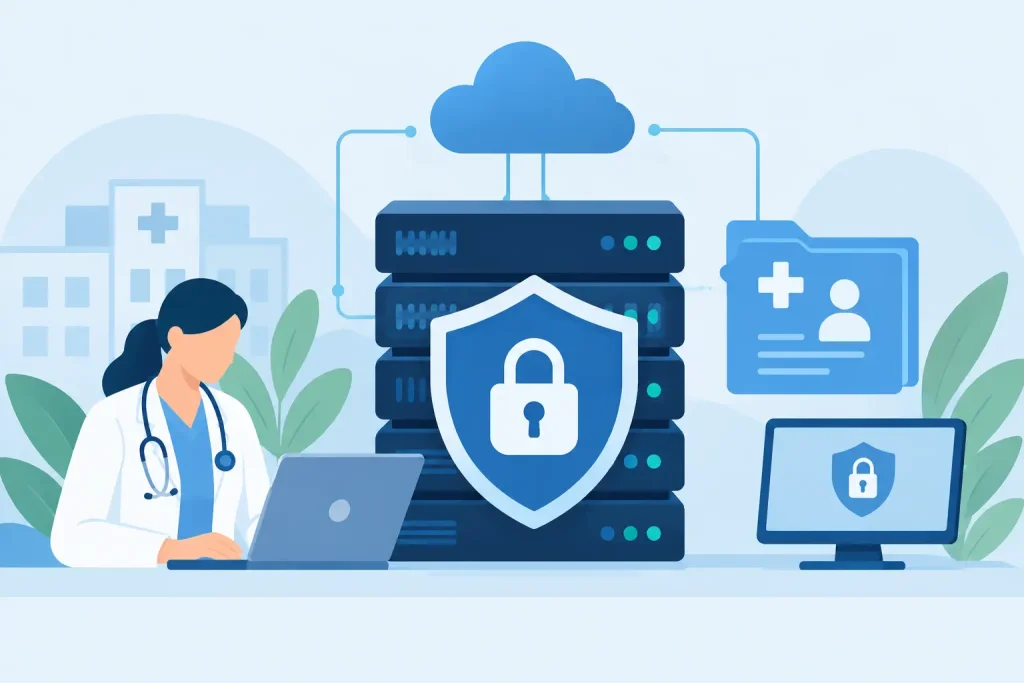
For a healthcare group, that may mean restoring clinical applications without compromising protected data. For a multi-site retailer, it may mean recovering point-of-sale systems before the next opening. For a property operator or senior living community, it may mean keeping communications, access systems, and resident services available when a local server, internet circuit, or endpoint fails.
The right platform depends on what must be recovered, how quickly it must be recovered, where the data resides, and who owns the recovery process. A lower-cost backup product can be adequate for file protection. It may be a poor fit for a business that needs to restore virtual servers, Microsoft 365 data, branch locations, and critical applications with defined recovery objectives.
What separates the best cloud backup platforms
Business backup decisions should start with recovery requirements, not storage capacity. Two measurements matter: recovery point objective, or how much data loss is acceptable, and recovery time objective, or how long the business can operate without a system. A platform may retain years of data and still fail the test if recovering a production workload takes longer than operations can tolerate.
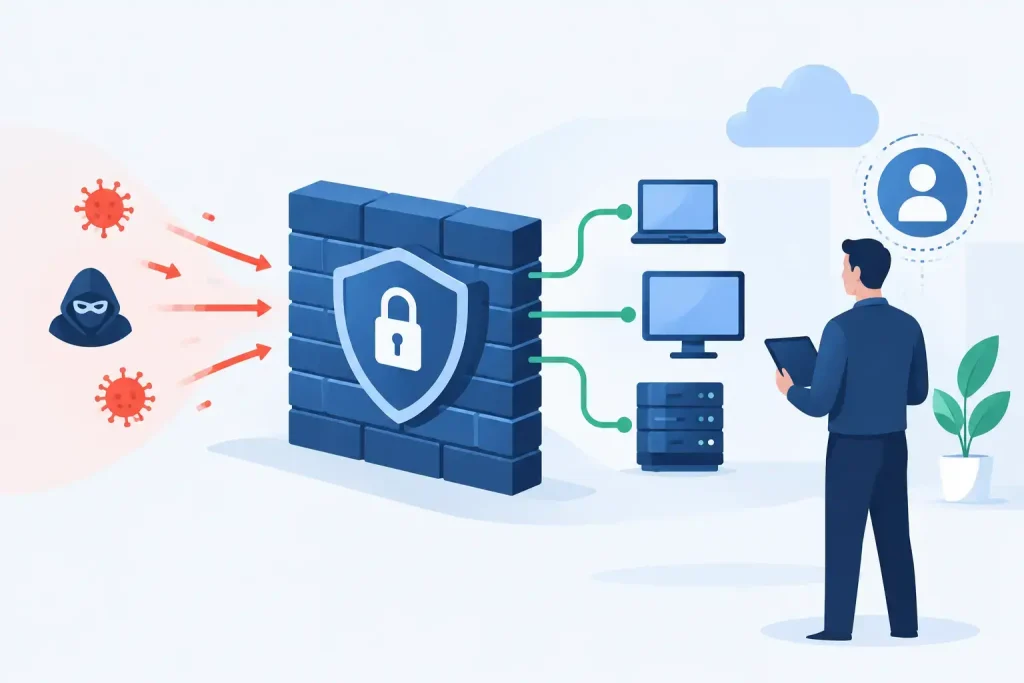
Strong business platforms also support immutable backup copies. Immutability prevents backup data from being changed or deleted for a defined retention period, creating protection against ransomware and malicious administrator activity. This control should be paired with multifactor authentication, role-based access, encryption, alerting, and documented recovery procedures.
Finally, consider the full workload inventory. Most organizations now operate across on-premises servers, virtual machines, Microsoft 365 or Google Workspace, SaaS applications, laptops, and cloud infrastructure. Using separate tools for each can create coverage gaps and complicate incident response. One platform is not always required, but one accountable operating model is.
7 platforms worth evaluating
1. Veeam Data Platform
Veeam is a strong choice for organizations with substantial virtualized infrastructure, especially VMware and Microsoft Hyper-V environments. It is widely used for image-based backup and replication, granular recovery, and recovery orchestration across on-premises and cloud storage targets.
Its flexibility is a strength and a trade-off. Veeam can fit complex environments and support multiple storage strategies, but it requires thoughtful design. Businesses need to define repositories, immutable storage, copy schedules, retention, monitoring, and restore testing. It is best for organizations with capable internal IT teams or a managed provider that will own those decisions.
2. Rubrik
Rubrik is designed for enterprise-scale data protection with an emphasis on security, centralized policy management, and cyber recovery. It supports a broad set of workloads and provides visibility that can be valuable for organizations managing multiple sites, regulated data, or hybrid infrastructure.
The platform is particularly compelling when ransomware resilience and recovery governance are high priorities. Its pricing and enterprise orientation can make it more than smaller businesses need. For organizations where an extended outage carries material operational, legal, or reputational cost, the added control may be justified.
3. Cohesity DataProtect
Cohesity serves larger hybrid environments that need to consolidate backup, recovery, and data management. It is built for scale and offers support for physical, virtual, cloud, and SaaS workloads, with a strong focus on security and centralized administration.
This is generally a better fit for complex organizations than for a small office with a handful of endpoints. Teams should validate the deployment model, workload support, recovery performance, and operational expertise required before committing. Complexity is manageable when it delivers a measurable reduction in recovery risk, not when it simply moves management work into a different console.
4. Druva Data Resiliency Cloud
Druva is a cloud-native data protection platform that removes much of the infrastructure burden associated with traditional backup systems. It is often a practical option for distributed organizations that need to protect endpoints, SaaS data, and cloud workloads without maintaining backup hardware at every location.
Its consumption-based model can be attractive, particularly for organizations with remote users and limited local IT resources. The key review point is cost predictability. Understand how protected capacity, retention, egress, and recovery activity affect the monthly bill, especially if data volumes are growing quickly.
5. Acronis Cyber Protect
Acronis combines backup with endpoint protection capabilities, making it relevant for organizations that want a more integrated approach to endpoint resilience. It can protect workstations, servers, virtual machines, and some cloud workloads while adding anti-malware and management functions.
The benefit is operational consolidation. The limitation is that a combined platform should still be assessed on each discipline independently. Security controls, backup integrity, monitoring, and recovery outcomes all need to stand on their own. It can be a good fit for midmarket environments that need fewer management consoles without sacrificing basic recovery controls.
6. Datto BCDR
Datto BCDR has long been a familiar option for managed service environments and organizations that need appliance-based local backup with cloud replication. Its hybrid model can support fast local recovery while maintaining an offsite copy for disaster scenarios.
That architecture can be useful for branch offices and sites where restoring large volumes over an internet connection would take too long. Buyers should look closely at appliance lifecycle, connectivity requirements, cloud retention, and how recovery will work if the site itself is unavailable. A local recovery device is helpful only if the incident has not affected the local environment.
7. Microsoft Azure Backup
Azure Backup is a sensible platform for organizations with workloads already running in Microsoft Azure or with a Microsoft-centered infrastructure strategy. It supports Azure-native protection and can extend to selected on-premises workloads through Microsoft tools and integrations.
The advantage is alignment with an existing cloud environment, identity model, and billing structure. The trade-off is scope. Azure Backup may not provide the same breadth or operational simplicity for heterogeneous environments with multiple hypervisors, SaaS systems, and non-Microsoft cloud services. It is strongest when Azure is a core part of the technology estate rather than just one workload location.
Match the platform to the recovery scenario
A platform comparison becomes more useful when it starts with real failure events. Ask how the solution performs after ransomware encrypts a file server, a failed update damages a virtual machine, a user deletes Microsoft 365 content, or a site loses power and connectivity. Each scenario may require a different recovery path.
For example, backing up Microsoft 365 does not automatically protect on-premises line-of-business applications. Replicating a virtual machine does not necessarily preserve long-term records under a compliance retention policy. Endpoint backup does not replace a server recovery plan. A complete design identifies each critical workload, its data dependencies, its recovery owner, and the order in which systems return to service.
This is where many backup projects fail. The technology is deployed, the dashboard shows green, and nobody has tested whether the organization can restore an application with its database, authentication dependencies, network access, and current data. Recovery testing should be scheduled and documented, not left for an incident.
Questions to ask before selecting a provider
Before making a decision, require clear answers about immutable retention, data residency, encryption key management, multifactor authentication, and privileged access. Confirm whether the platform can meet recovery objectives for the largest production workloads, not just a small test server.
Also ask who will monitor failed jobs, investigate capacity alerts, coordinate restores, and communicate with business leaders during an outage. Software vendors provide a platform. They do not automatically provide accountable operational ownership. Organizations with limited IT capacity often benefit from a managed model where one team monitors protection, validates recovery, and owns escalation across the technology stack.
Pricing deserves the same scrutiny. Compare licensing, storage, retention, protected users or workloads, appliance costs, implementation, and recovery-related charges. The lowest quote may become the most expensive option if it produces slow recoveries, scattered management, or surprise consumption costs.
Build a recovery program, not a backup purchase
The best cloud backup platforms are the ones that support a recovery plan your organization can execute. That means documented priorities, tested restore procedures, protected credentials, immutable copies, and clear accountability when systems are unavailable.
Southeast Networks approaches backup as part of the larger operating environment: endpoints, servers, identity, connectivity, cybersecurity, and the people responsible for restoring service. Start by identifying the systems your business cannot afford to lose, then test whether your current backup can bring them back within the time the operation actually has.